Why Identity Matters More Than Ever
The role of Identity Development Committees is becoming increasingly crucial in today’s diverse and evolving society. Whether in schools, workplaces, or communities, identity influences how individuals see themselves and interact with the world. Committees dedicated to identity development help foster safe spaces, encourage dialogue, and guide inclusive policy-making.
What Is an Identity Development Committee?
An Identity Development Committee (IDC) is typically a group formed within an institution—such as a school, company, or nonprofit—to support individuals in exploring and affirming their identities. These committees focus on areas such as race, ethnicity, gender, sexual orientation, religion, socio-economic background, and cultural heritage.
Core Objectives of an IDC:
-
Promote self-awareness and acceptance
-
Encourage open dialogue and inclusivity
-
Challenge systemic inequalities
-
Support policy changes and educational initiatives
-
Empower underrepresented voices
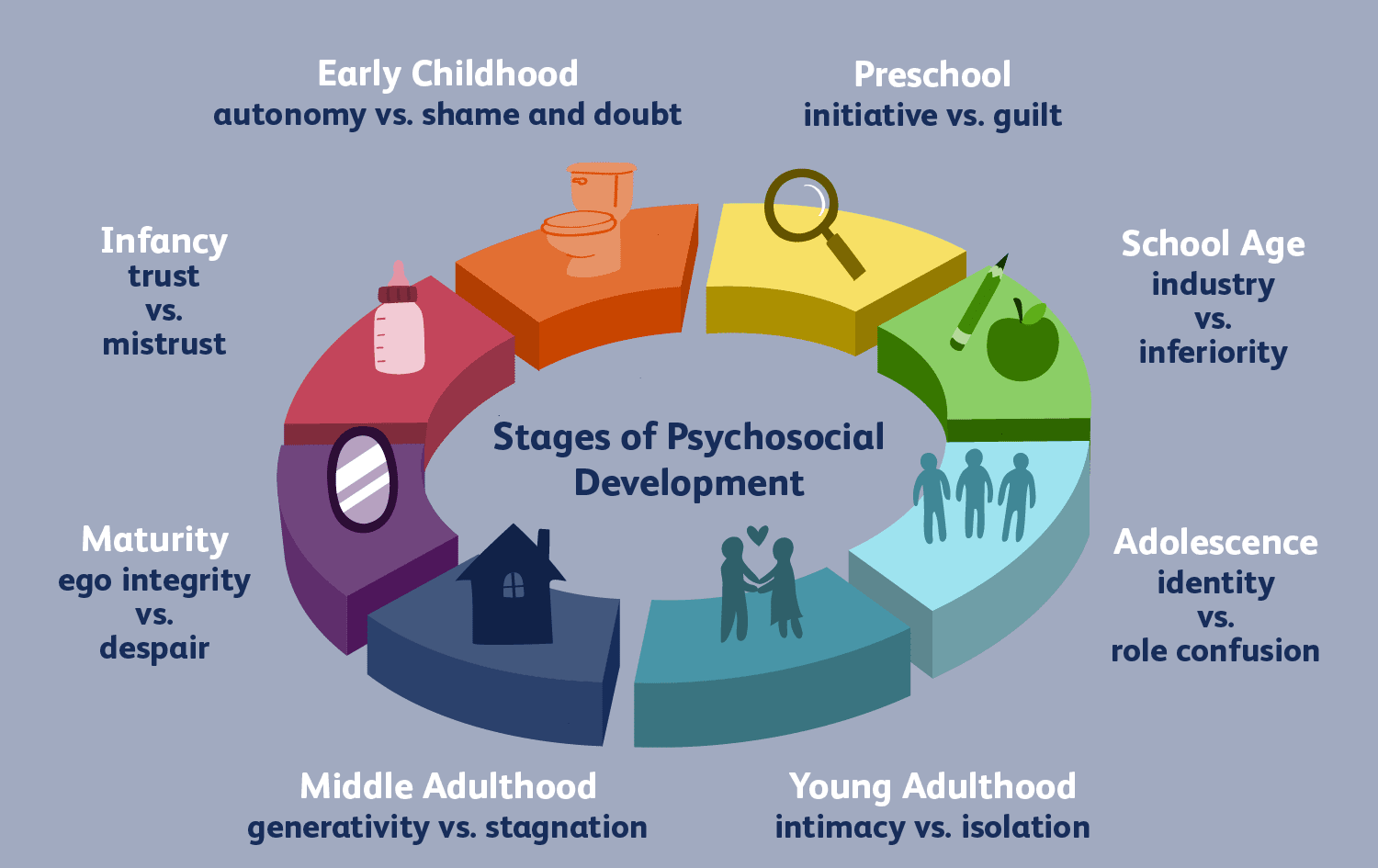
The Link Between Identity and Development
Identity isn’t static—it evolves. Psychological research emphasizes that personal identity is shaped by internal self-perception and external influences. Committees that focus on identity development can:
-
Provide educational workshops and mentoring.
-
Offer safe spaces for expression and storytelling.
-
Host cultural awareness events to bridge gaps between groups.
As Dr. Beverly Tatum, author of “Why Are All the Black Kids Sitting Together in the Cafeteria?”, notes:
“We all have multiple identities, and understanding those differences is essential to building inclusive environments.”
Why Institutions Need Identity Development Committees
In educational and professional settings, identity development plays a critical role in emotional intelligence, leadership, and team collaboration.
In Schools:
-
IDCs teach empathy, critical thinking, and cultural competence.
-
Students from marginalized communities feel more seen and supported.
In Workplaces:
-
They help build inclusive hiring and retention practices.
-
Employees become more engaged, innovative, and loyal.
In Communities:
-
They create spaces where civic voices can grow stronger.
-
Cultural awareness events build bridges across differences.
Example: At the University of Michigan, the Spectrum Center operates as an IDC that provides programming and resources focused on LGBTQ+ identity development and inclusion.
Real-Life Impact of Identity Development Committees
Below are some tangible results seen from the implementation of IDCs:
| Area | Impact |
|---|---|
| Education | Improved academic performance among students who feel culturally affirmed. |
| Workplace | Higher employee retention and increased diversity in leadership roles. |
| Community | Greater civic engagement and reduced conflict among diverse populations. |
Challenges Faced by Identity Development Committees
While their impact is positive, IDCs also face several challenges:
-
Resistance from leadership or community members
-
Lack of funding or institutional support
-
Tokenism or symbolic rather than structural inclusion
-
Emotional labor placed on marginalized individuals
Overcoming these requires persistence, education, and advocacy. Establishing measurable goals and clear communication channels helps IDCs gain legitimacy and long-term impact.
Best Practices for an Effective Identity Development Committee
Here are some best practices to ensure a successful and impactful committee:
-
Diverse Representation: Include voices from across identity spectrums.
-
Regular Training: Offer workshops on implicit bias, anti-racism, and cultural competency.
-
Clear Mission & Vision: Align the committee’s work with broader institutional values.
-
Safe Space Policy: Establish guidelines that protect emotional and psychological safety.
-
Partnerships: Collaborate with local organizations, experts, or advocacy groups.
Embedding Identity Work Into Institutional Culture
An Identity Development Committee is most effective when its work isn’t isolated. Institutions should:
-
Integrate identity awareness into curriculum or onboarding processes.
-
Support continuous leadership engagement.
-
Embed committee insights into strategic planning.
“When inclusion is a value and not an initiative, identity development becomes everyone’s responsibility.” — Maya Garza, DEI Consultant
Watch: Real Impact of Identity Committees
Related Video:
Watch this powerful YouTube video from TEDx titled “The Power of Identity in Schools and Communities”
Conclusion: Reimagining Communities Through Identity Work
Identity Development Committees are not just optional—they’re essential in creating inclusive, equitable, and empowered spaces. As institutions strive for diversity, equity, and belonging, these committees become the heartbeat of transformation. By fostering dialogue, promoting understanding, and driving systemic change, IDCs help individuals and communities grow stronger—together.
Authoritative Sources:
-
National Education Association – Diversity, Equity & Inclusion
-
Harvard Graduate School of Education – Identity and Belonging